
Sickle Cell Disease
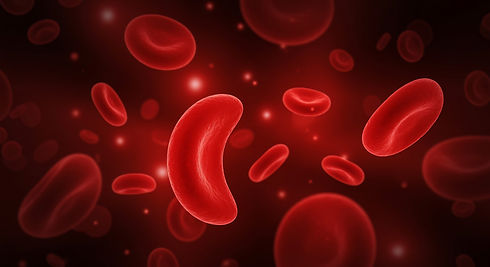
Sickle cell disease is a cycle of recurring pain and complications. The an inherited blood disorder causes red blood cells to form in a sticky crescent shape which impacts the flow of oxygen throughout the body. As a result, the disease can cause pain crisis, organ damage, and other series complications. It is the most common blood disorder and the main four types of sickle cell are the following: Hemoglobin SS disease, Hemoglobin SC disease, Hemoglobin SB+ (beta) thalassemia, Hemoglobin SB 0 (Beta-zero) thalassemia. Breaking the cycle requires quality care, education, screening, and community support.
People living with sickle cell disease lead full, meaningful lives every day. Through education, advocacy, and strong community connections, we help ensure they have the support and resources they deserve.

Find a Hematologist
Powered by American Society of Hematology
Sickle cell patients are primarily cared for by hematologists and physicians specializing in blood disorders. Hematologists manage routine care, pain crises, transfusions, disease‑modifying treatments, and coordinate referrals for specialists, transplants, and supportive services. Search for a hematologist in your area.